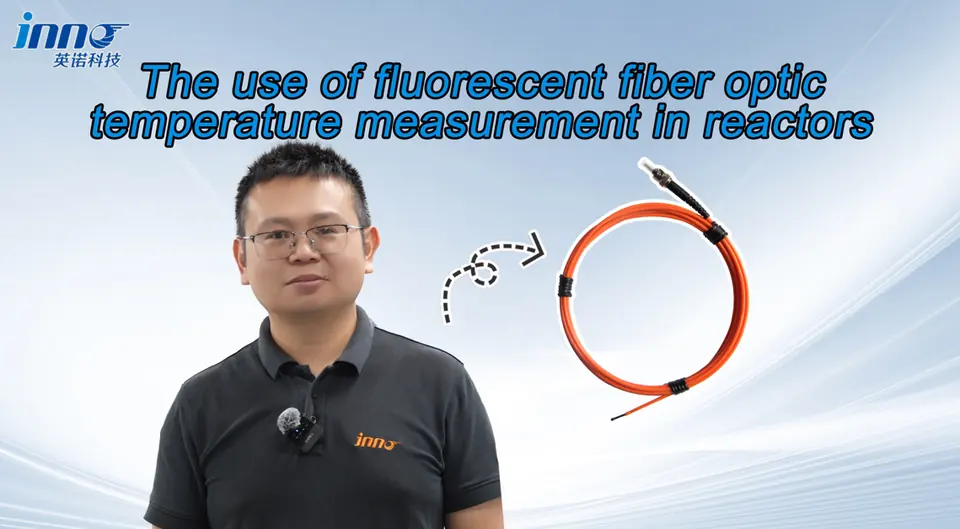
How Is Shunt Reactor Winding Temperature Monitored?
Compare WTI and thermal model estimates with direct fiber optic winding measurements for shunt reactors, including sensor placement, channels and SCADA integration.
 info@innofj.comContact Engineering
BLOG
Articles on fiber optic temperature sensors, transformer temperature measurement, high-voltage sensing, industrial temperature measurement and monitoring applications.
FEATURED READING
Selected articles on fiber optic temperature measurement, sensor selection and monitoring applications.
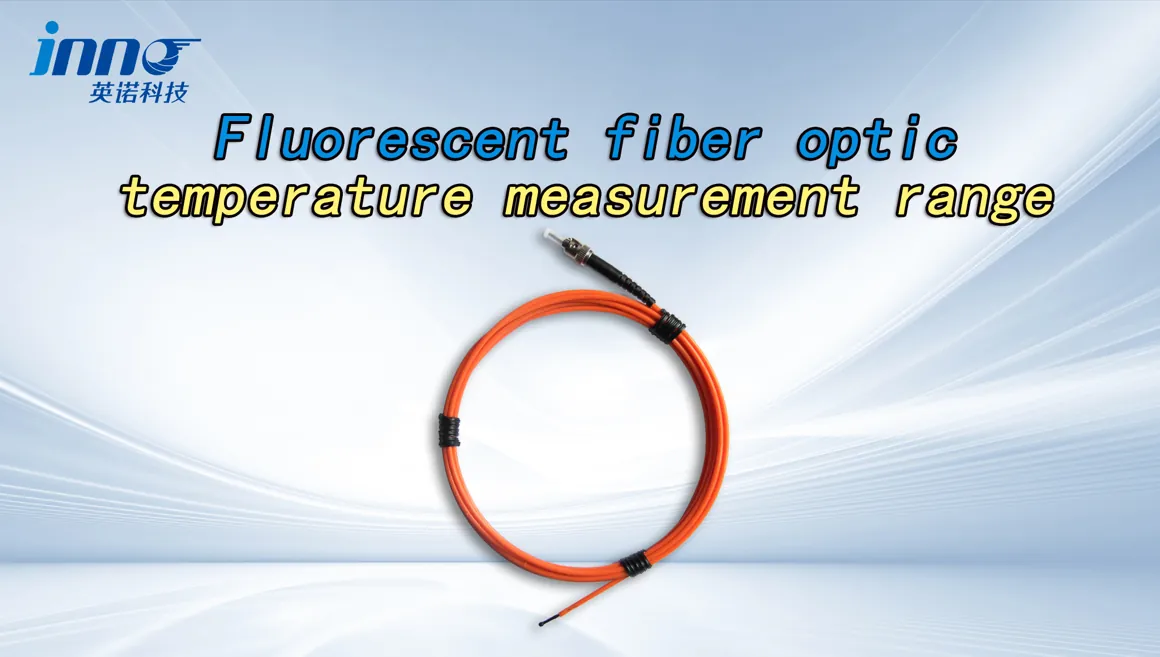
Use temperature range, sensing point, fiber route, electrical environment and channel needs to compare fiber optic sensor options.

A practical overview of direct point measurement, optical probes and the factors that shape a transformer winding temperature plan.
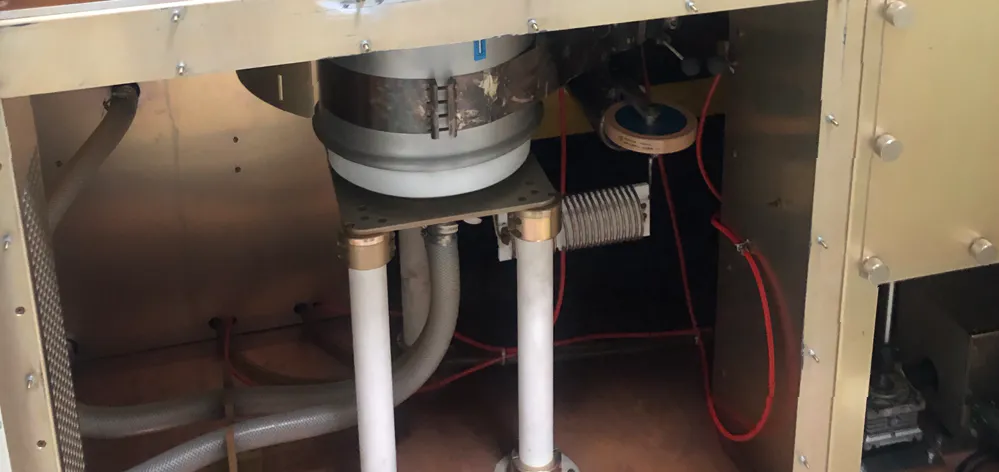
Review point-sensing options, optical signal paths and application questions for strong electromagnetic-field environments.
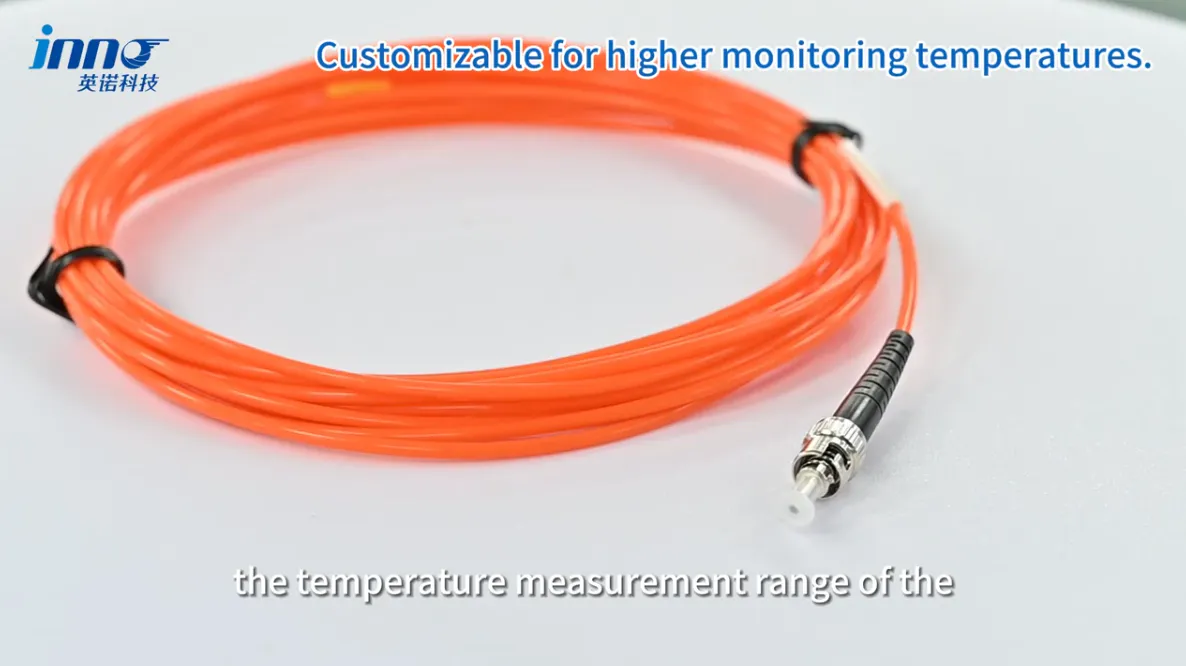
How operating range, excursions, probe materials and the complete optical path shape a fiber optic temperature sensor specification.
FIBER OPTIC TEMPERATURE MEASUREMENT
Guides on fiber optic temperature probes, measurement range, response time, fiber length and sensing configurations.
5 ArticlesTransformer Temperature MonitoringArticles on transformer winding temperature, hot-spot measurement, sensor placement and multi-point monitoring.
5 ArticlesHigh-Voltage Temperature MeasurementTemperature measurement methods for high-voltage, strong EMI and electrically isolated sensing environments.
3 ArticlesIndustrial Temperature MeasurementTemperature measurement for RF, microwave, magnetic-field, laboratory, test and industrial equipment applications.
3 ArticlesTemperature Monitoring SystemsMulti-point and multi-channel temperature monitoring for electrical equipment, test systems and industrial applications.
5 ArticlesTemperature Sensor SelectionSelection guides comparing sensor types, probe structures, temperature ranges, channels and monitoring requirements.
4 ArticlesLATEST GUIDANCE
Browse articles on fiber optic temperature sensing, electrical equipment temperature measurement and monitoring applications.
Compare WTI and thermal model estimates with direct fiber optic winding measurements for shunt reactors, including sensor placement, channels and SCADA integration.
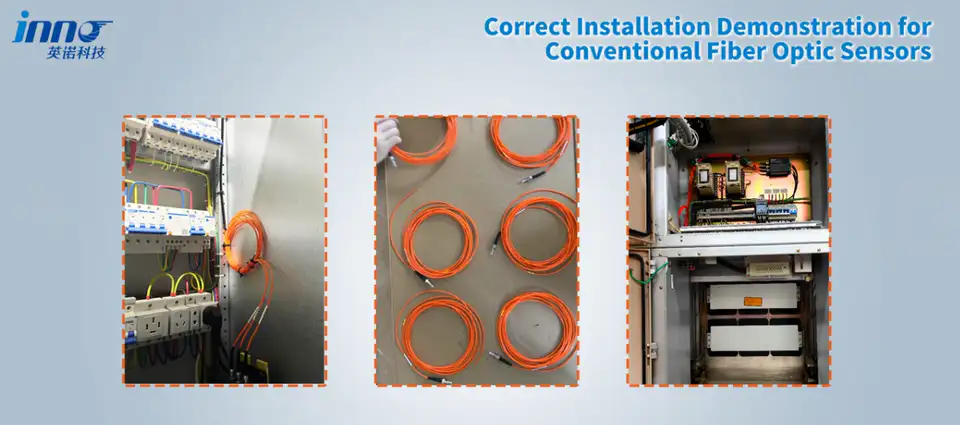
See how probe design, fiber length, channel count, monitoring instruments, interfaces and customization affect fiber optic temperature sensor pricing.
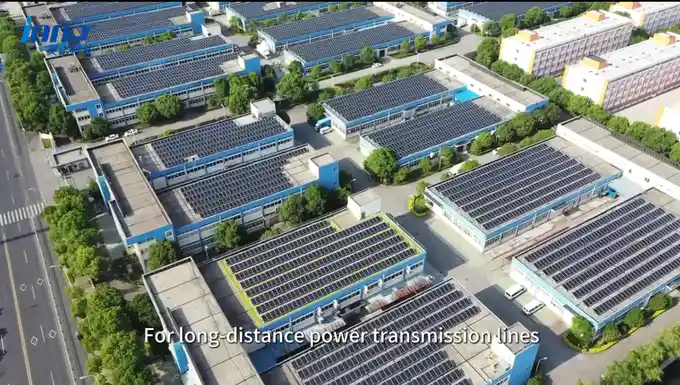
Compare temperature sensors for data center transformers, switchgear, busbars and cable terminations, including multi-point monitoring and BMS integration.
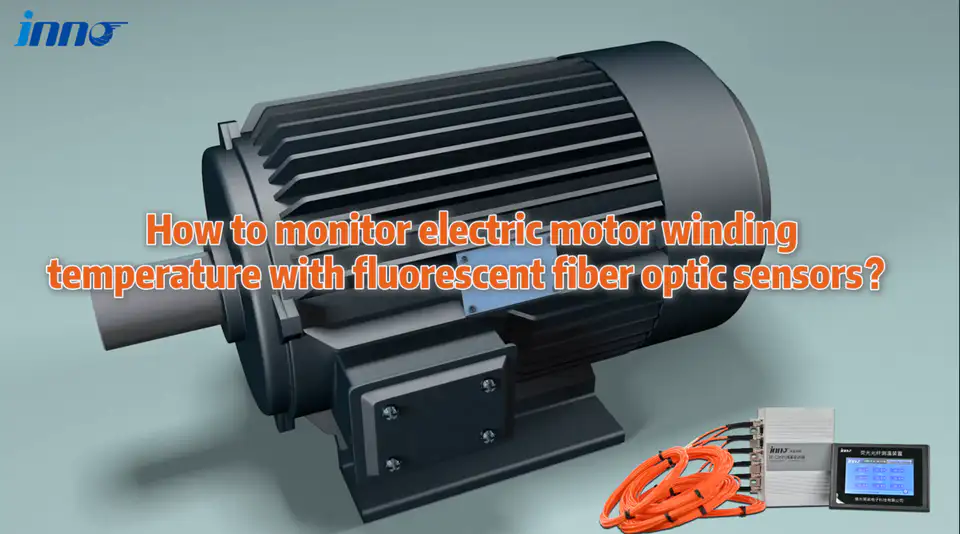
Compare PT100, thermistors, thermocouples, fiber optic probes, winding resistance and surface methods for measuring motor winding temperature.

Compare estimated transformer winding temperature from a WTI with direct point measurement from embedded fiber optic temperature sensors.
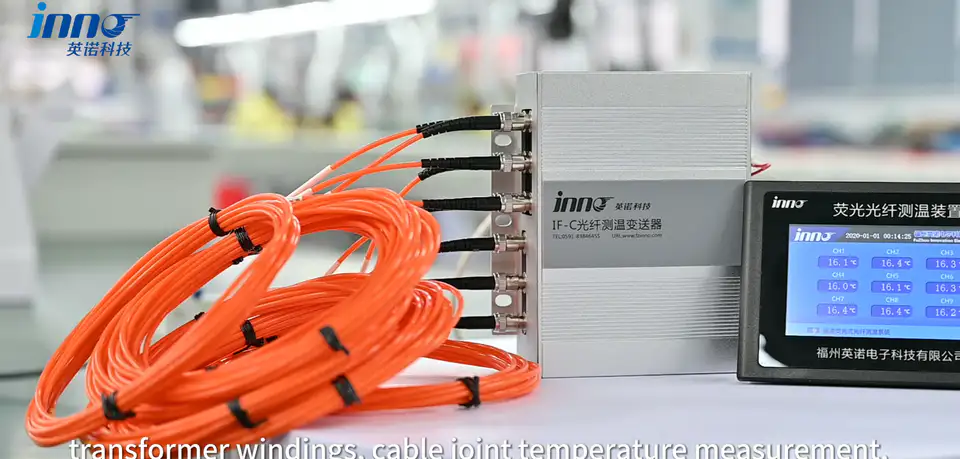
Learn what creates localized transformer winding hot spots and compare estimated hot-spot temperature with direct multi-point fiber optic monitoring.
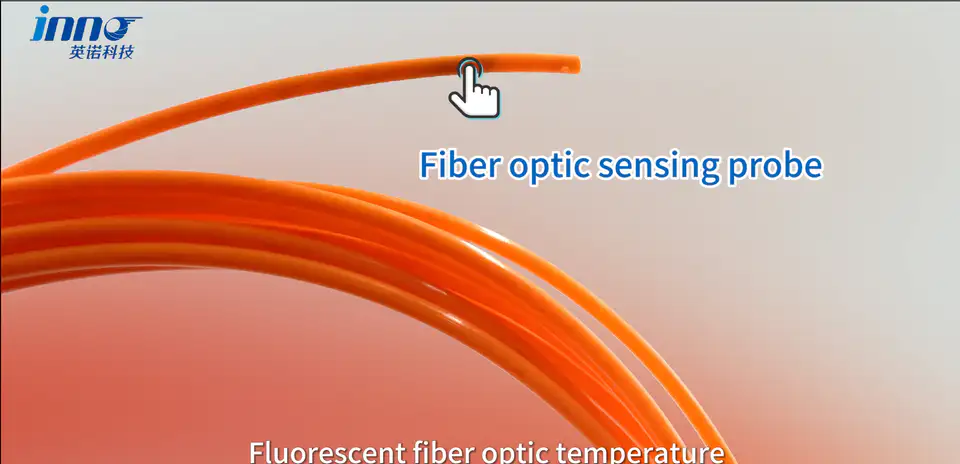
Learn how a point fiber optic temperature sensor uses an optical probe, sensing material and compatible monitoring instrument to measure temperature in electrically demanding environments.
How operating range, excursions, probe materials and the complete optical path shape a fiber optic temperature sensor specification.
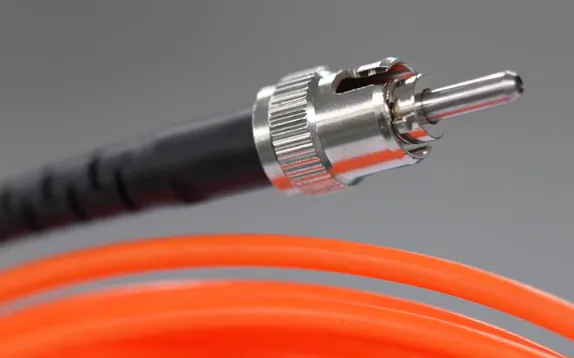
Learn how to count measurement points, plan active and spare channels, and choose a fiber optic temperature monitoring instrument for your equipment.
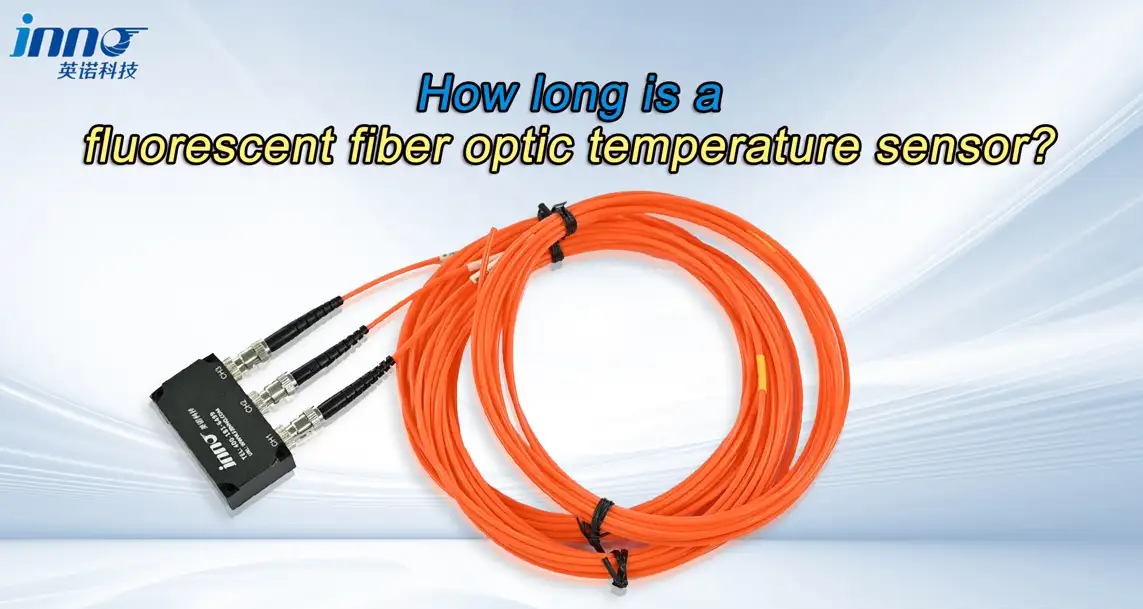
Learn how to calculate the routed fiber length for electrical equipment, transformers, high-voltage tests and industrial temperature monitoring.
A practical overview of direct point measurement, optical probes and the factors that shape a transformer winding temperature plan.
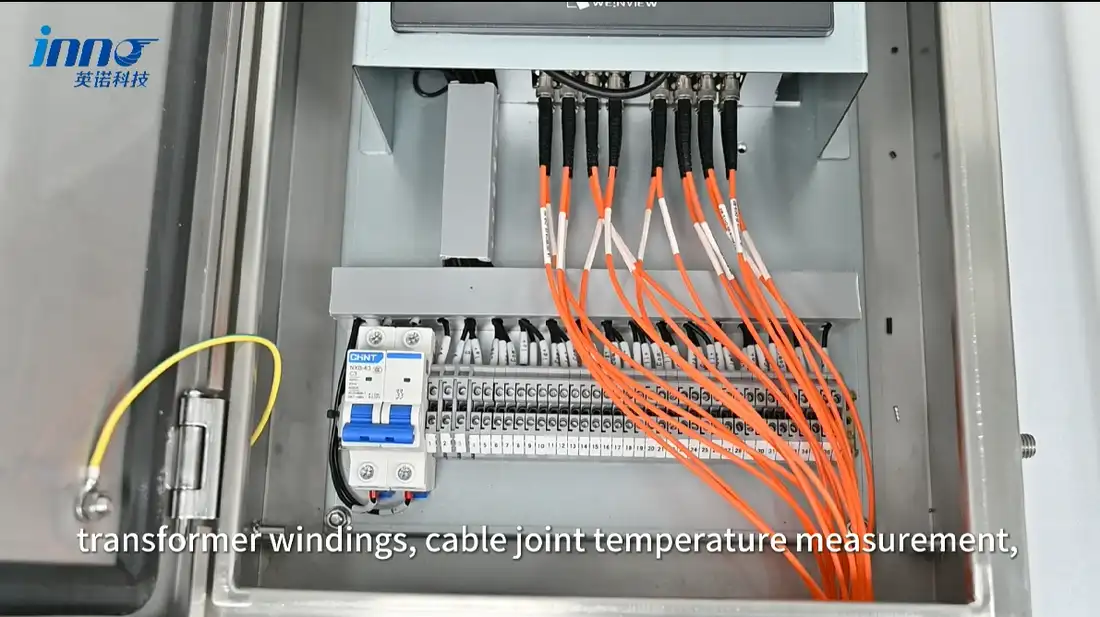
Learn how transformer thermal design, winding geometry and cooling determine fiber optic sensor placement for direct temperature monitoring.
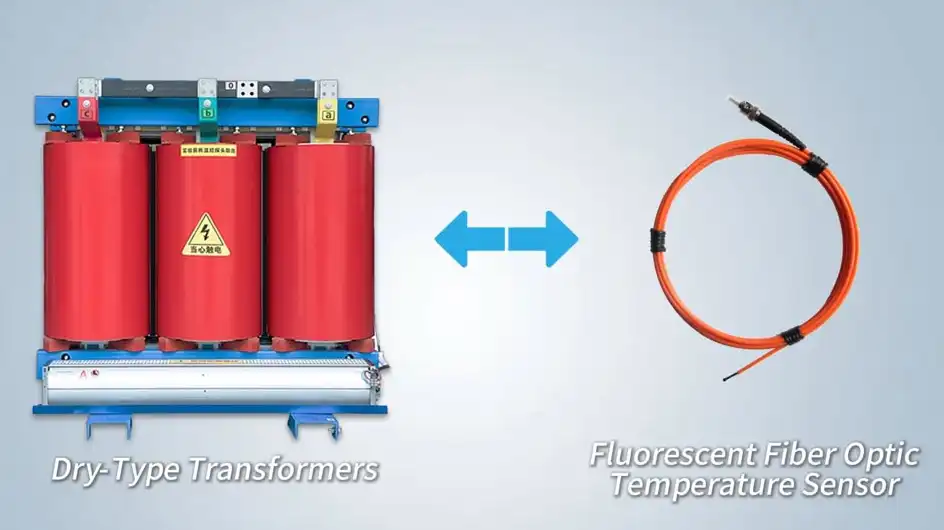
Oil-immersed and dry-type transformers do not use exactly the same temperature measurement approach because their insulation, cooling and winding structures are different.
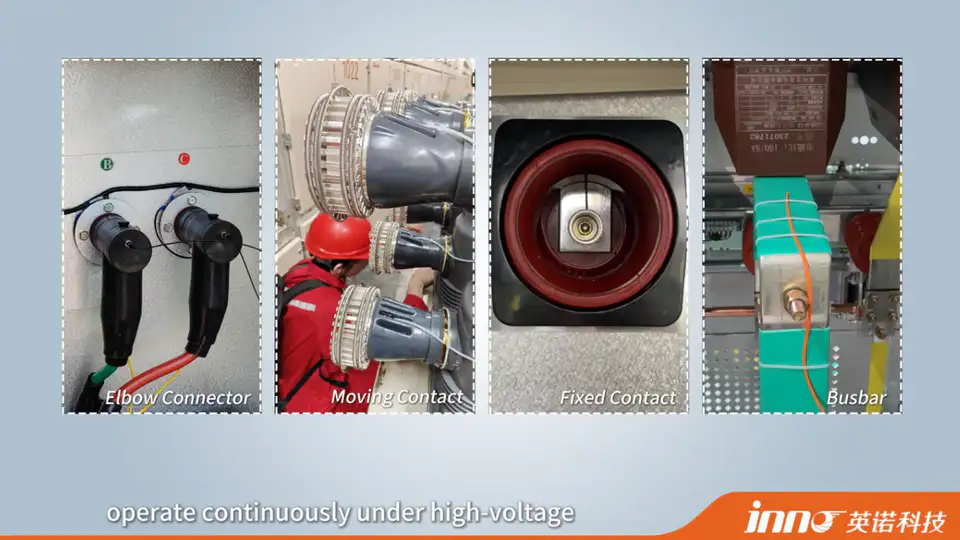
See how optical transmission and electrical isolation support temperature measurement at selected high-voltage points.
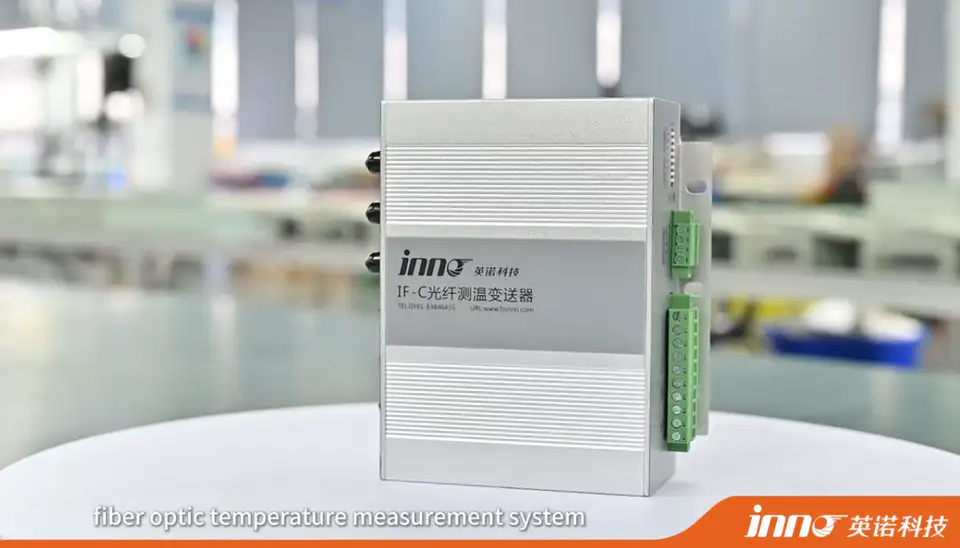
Define electrical isolation in temperature measurement and understand why a non-conductive sensing path can matter.
Review point-sensing options, optical signal paths and application questions for strong electromagnetic-field environments.
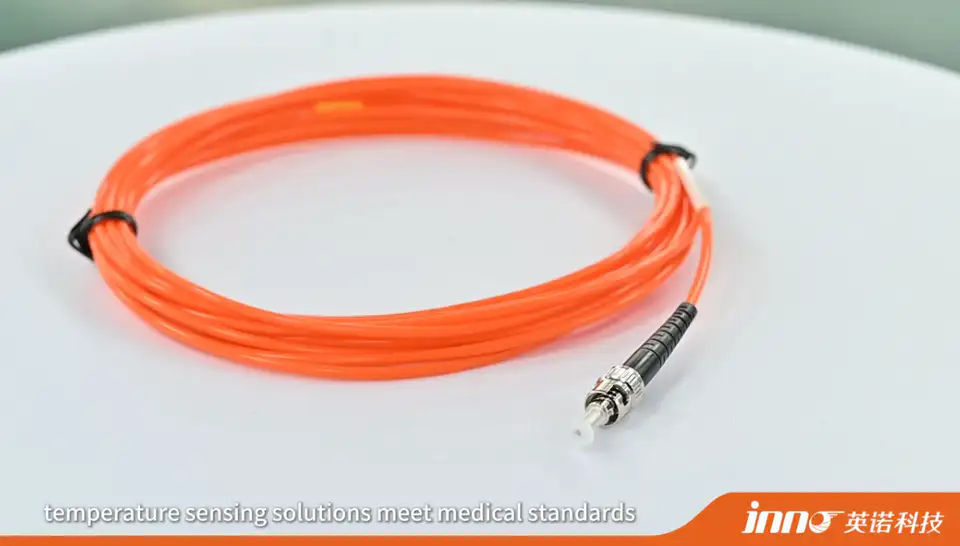
A practical guide to non-conductive point temperature measurement in RF and microwave heating equipment.
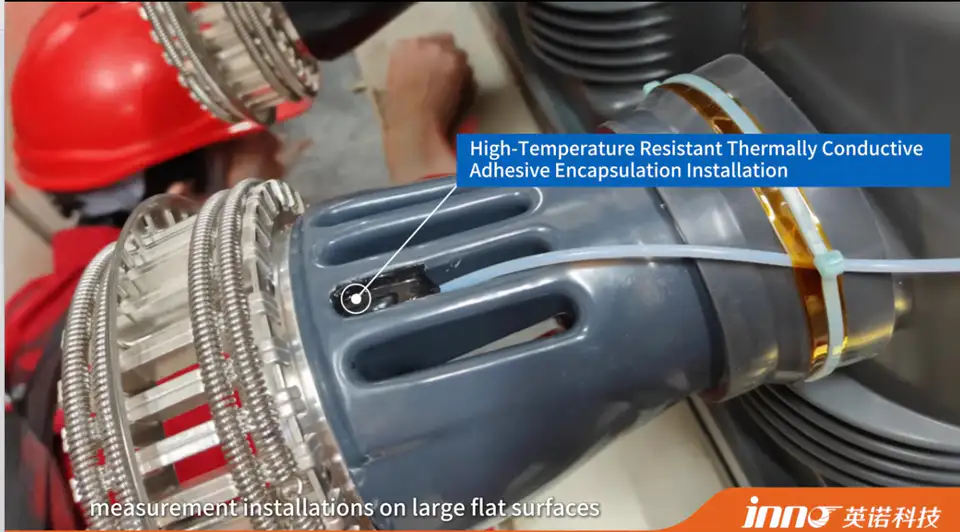
Compare cable ties, high-temperature tape, thermally conductive adhesive, UT / OT connectors and clamps for mounting fiber optic temperature probes.
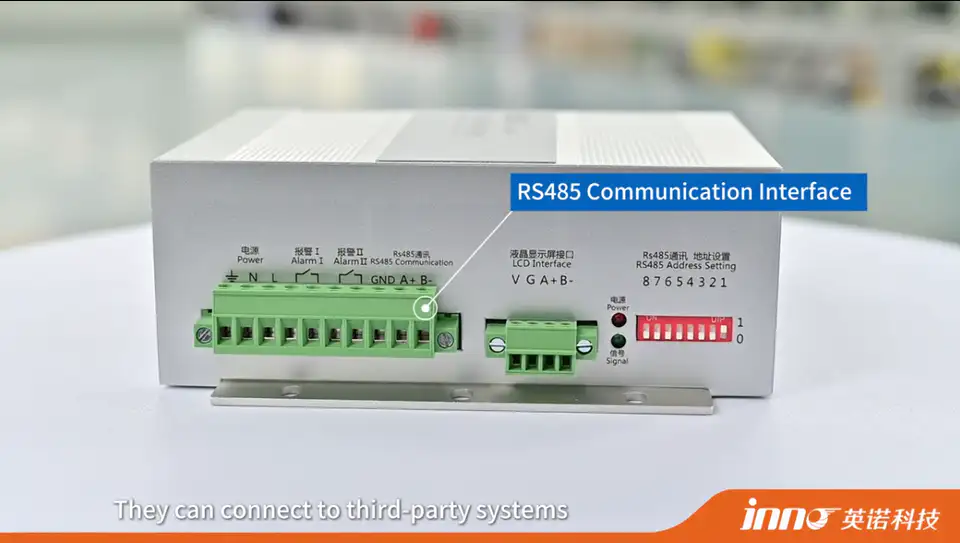
Learn how fiber optic temperature monitoring instruments connect to PLC, SCADA and third-party platforms through RS485, Modbus, analog and network interfaces.
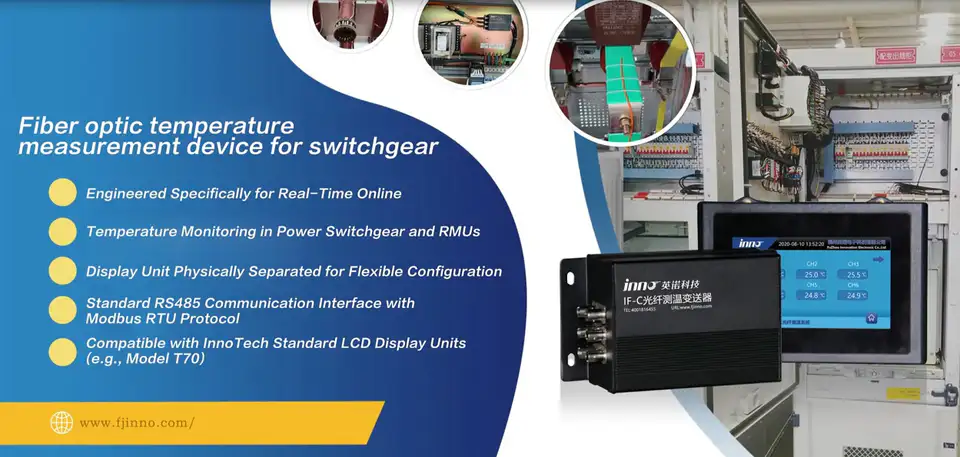
Learn how to monitor switchgear busbars, electrical joints and cable terminations with point sensors, multi-channel instruments and PLC or SCADA integration.
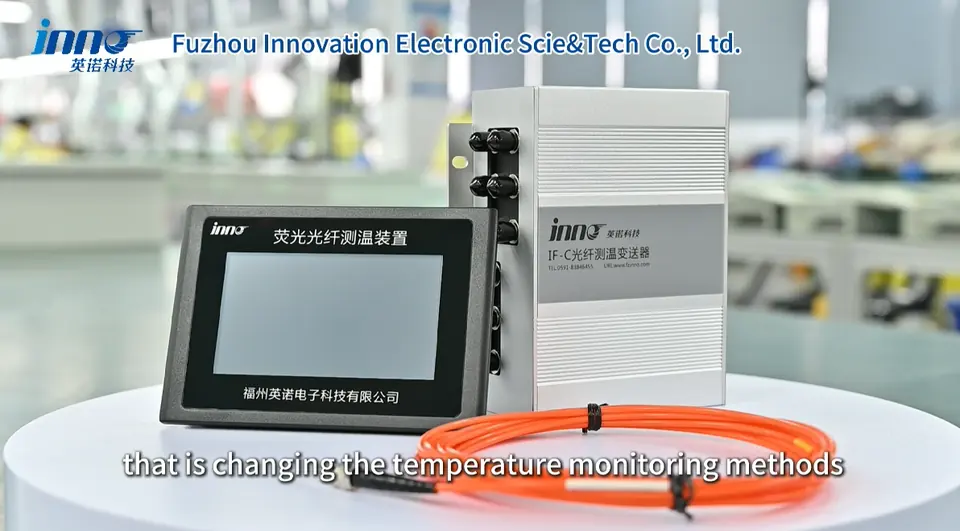
Learn how fiber optic temperature measurement works, what each probe measures, and where optical sensing is used in electrical, industrial and test applications.
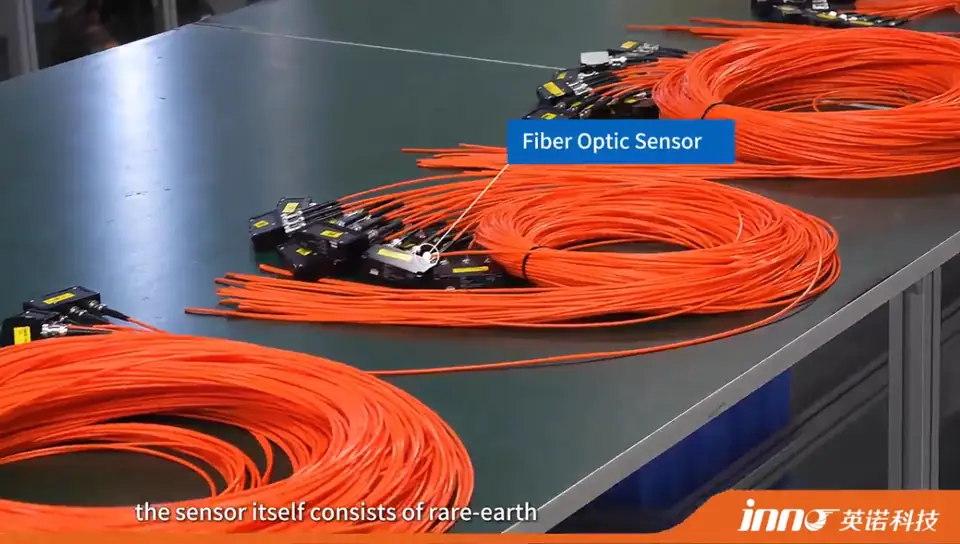
Choose a fiber optic temperature monitoring system by matching sensing points, probes, fiber length, channels, instruments, alarms and PLC or SCADA interfaces.
Use temperature range, sensing point, fiber route, electrical environment and channel needs to compare fiber optic sensor options.
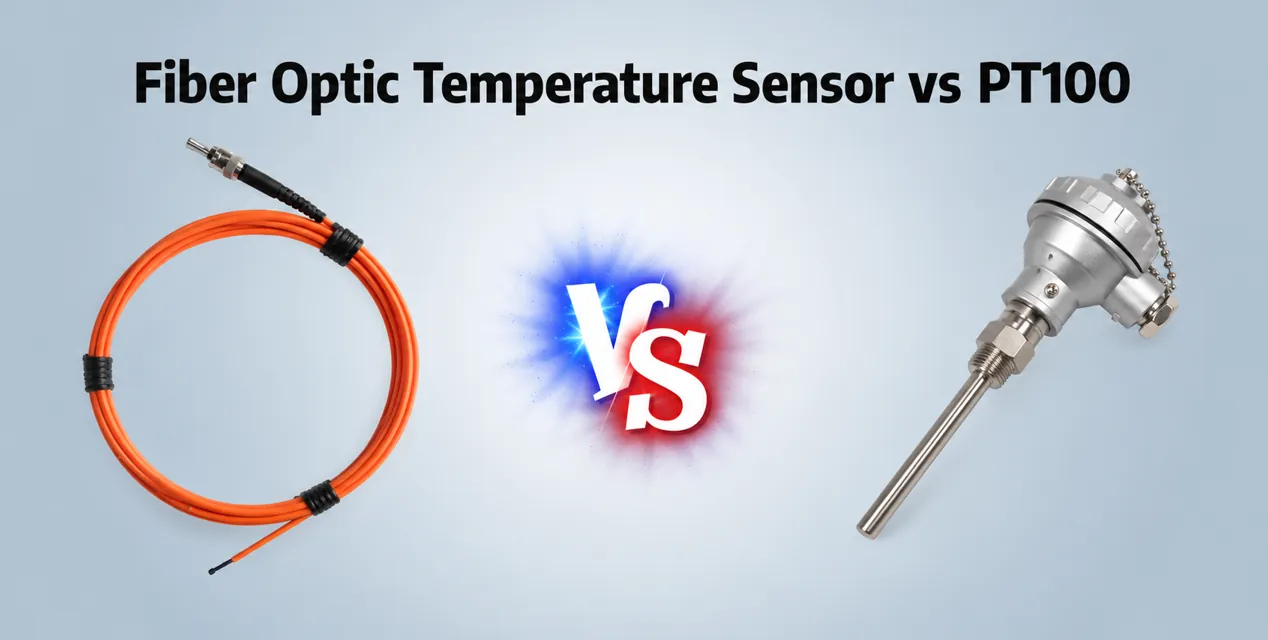
Compare optical and resistance-based point sensing by signal path, electrical isolation, installation and application fit.
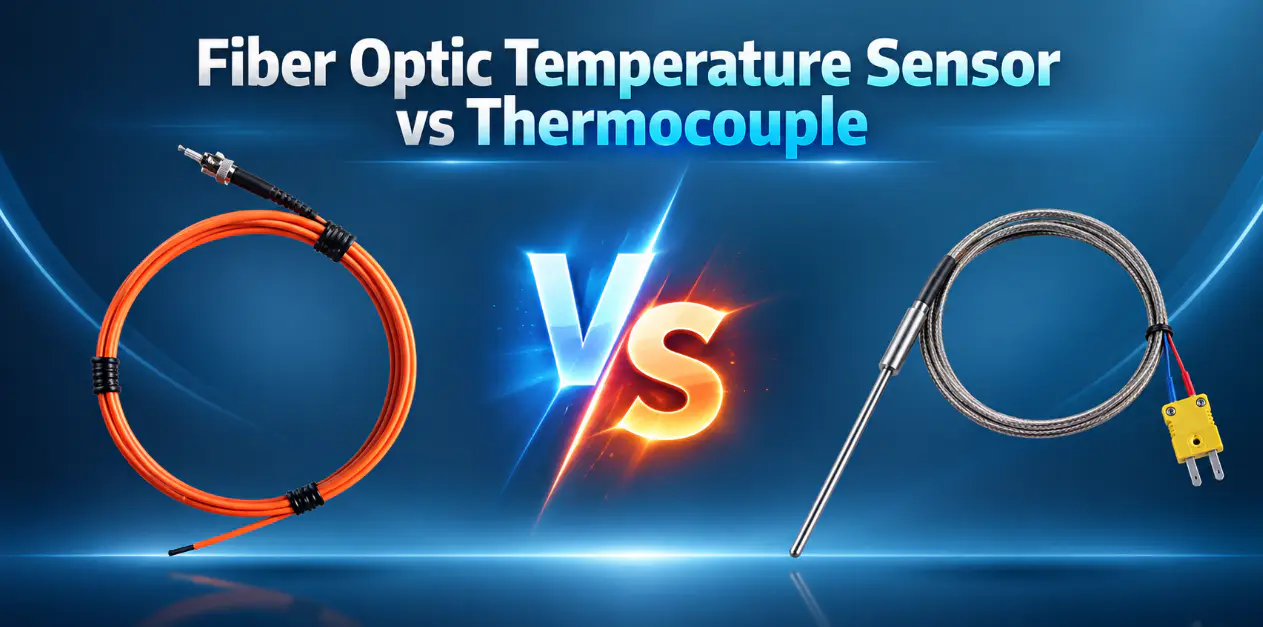
Compare fiber optic sensors and thermocouples by sensing principle, wiring, EMI exposure and measurement location.
Need Help With a Temperature Measurement Application?
Tell us your equipment type, measurement points, temperature range and monitoring requirements.