


Microwave Application Configuration
Define measurement points, temperature range and installation requirements for the microwave process.
 info@innofj.comContact Engineering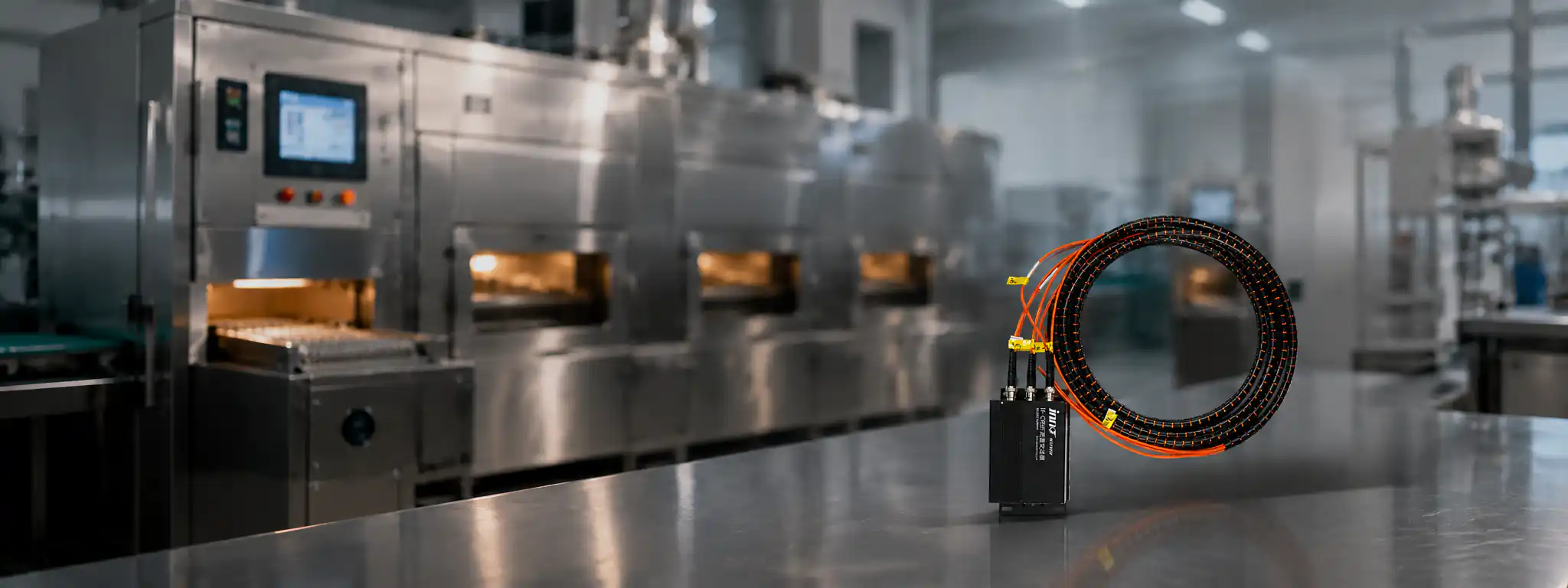
APPLICATIONS / INDUSTRIAL MICROWAVE
Fluorescence fiber optic temperature sensing delivers real-time process feedback without a conductive measurement path at the sensing point.
Industrial microwave fiber optic temperature monitoring uses fluorescence probes to measure selected temperatures in strong electromagnetic fields where conventional electrical sensors may be unreliable.
The sensing response travels optically to a compatible instrument, supporting real-time data without being affected by microwave-field interference.

Fiber optic temperature probes use a dielectric sensing path and optical signal transmission, making them suitable for reviewed microwave environments where conductive sensors can disturb the field or collect electrical noise.
Direct point measurements help teams review process temperature without adding metal sensor leads at the measurement location.
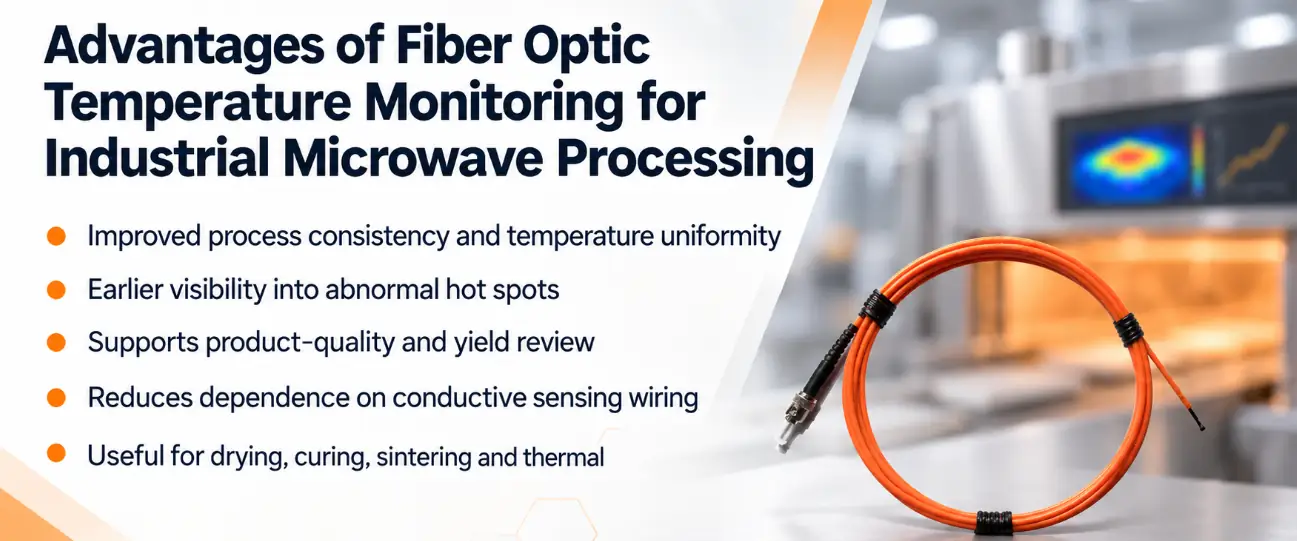
Select probes, channel count and monitoring functions for microwave and RF heating applications.
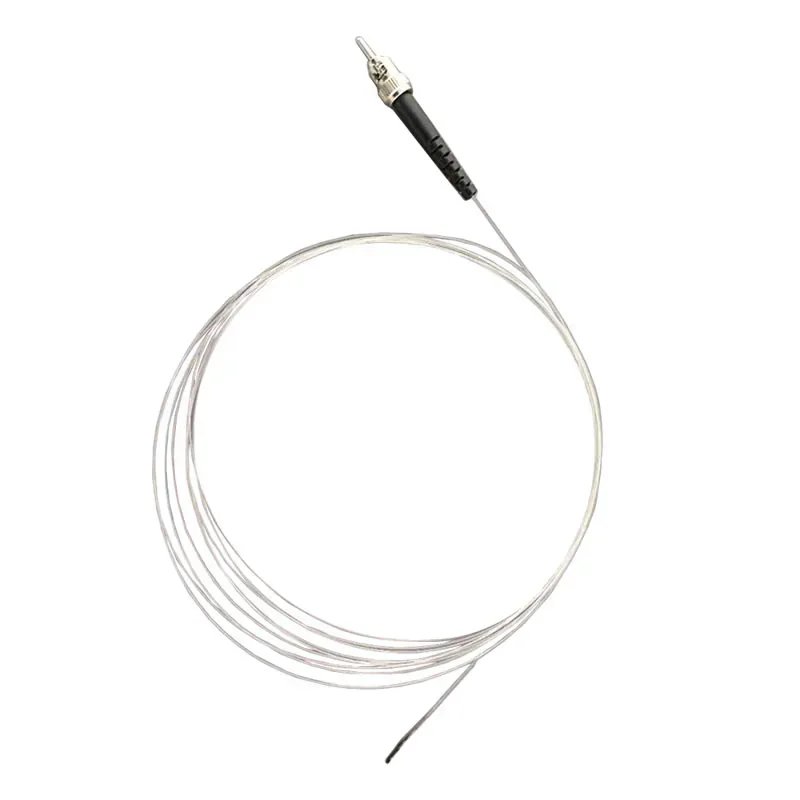
Non-conductive point temperature probe for microwave, RF heating and strong electromagnetic-field environments.
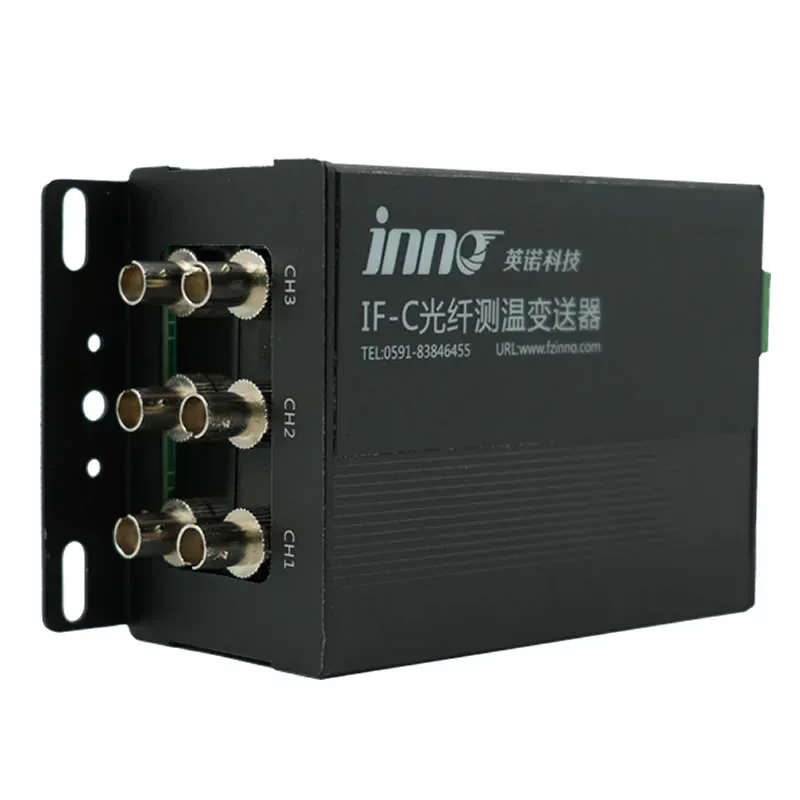
Configurable multi-channel temperature measurement for multiple probes in microwave and RF applications.
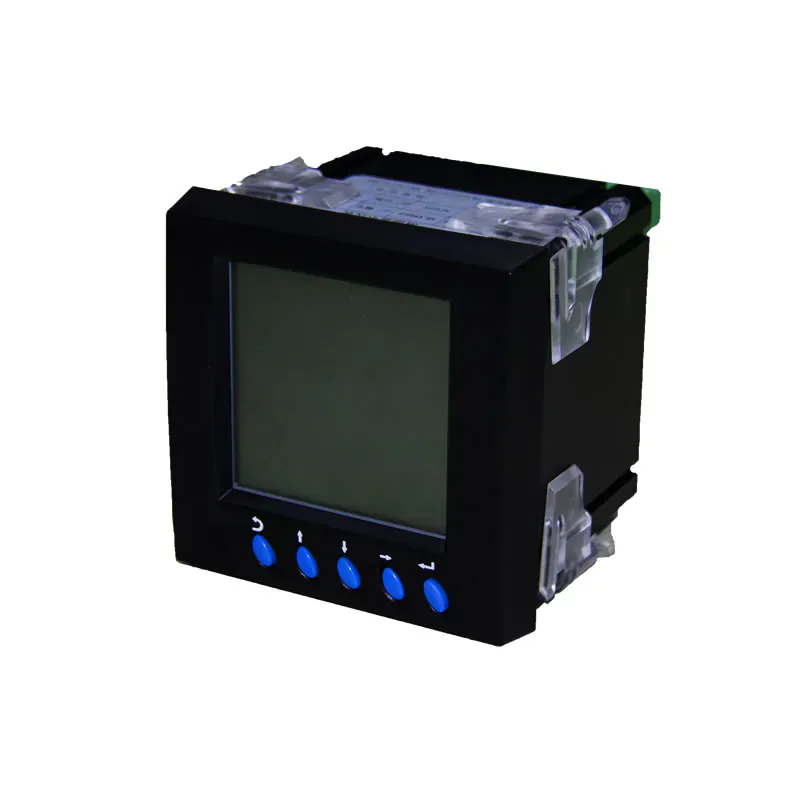
Centralized temperature display, alarms and monitoring for microwave heating and processing equipment.
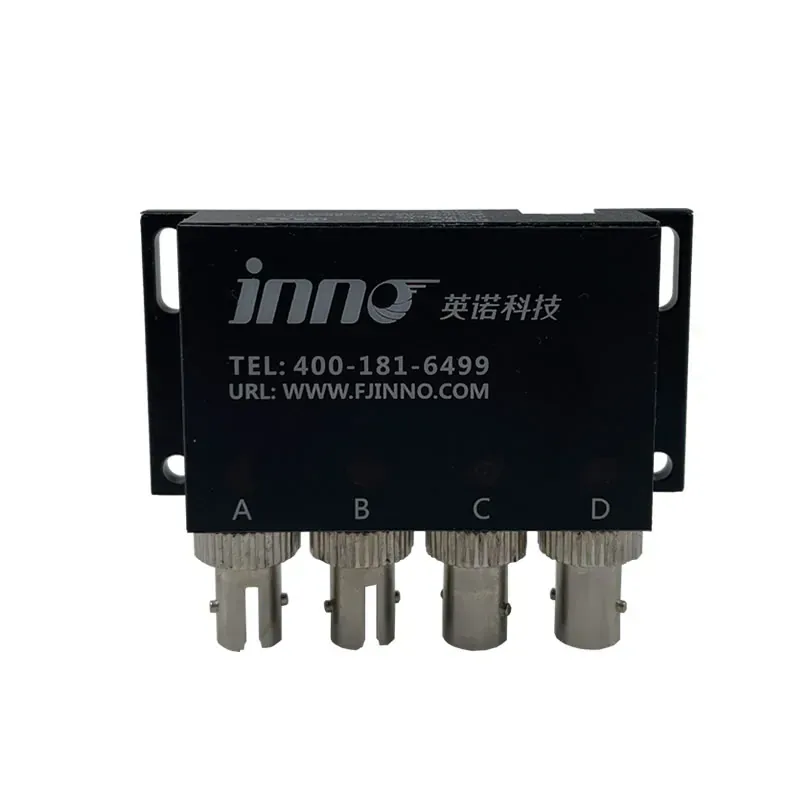
OEM sensing and demodulation modules for integration into microwave equipment, RF systems and custom temperature monitoring devices.
Fiber optic measurement for electrically demanding and strong-field environments.
Connect reviewed temperature data to compatible industrial platforms.
Configure probe construction and interfaces around the application.
Define measurement points, temperature range and installation requirements for the microwave process.
Configure probe type, sensing tip and fiber length for the measurement location.
Optical sensing avoids electrical interference in microwave and RF environments.
Connect temperature data, alarms and communication outputs to the existing control or monitoring system.
A light signal travels through a passive optical fiber to the sensing tip. The returned fluorescence response changes with temperature and is interpreted by a compatible instrument.
The dielectric sensing path contains no conductive measurement wiring at the sensing point and optical transmission is resistant to electromagnetic interference.
The optical sensing path is EMI resistant. The full probe construction, routing and instrument location must still be reviewed for the equipment.
Standard reviewed probe configurations cover -40 °C to 260 °C. Contact INNO when a wider or application-specific range is required.
Installation depends on the chamber, process material and access. Confirm the measurement point, acceptable probe construction, route and instrument location before configuration.
Potential applications include drying, curing, heating, sintering, food processing, composite processing, laboratory systems and equipment validation.
Share the equipment, process, temperature range, measurement points and required outputs.