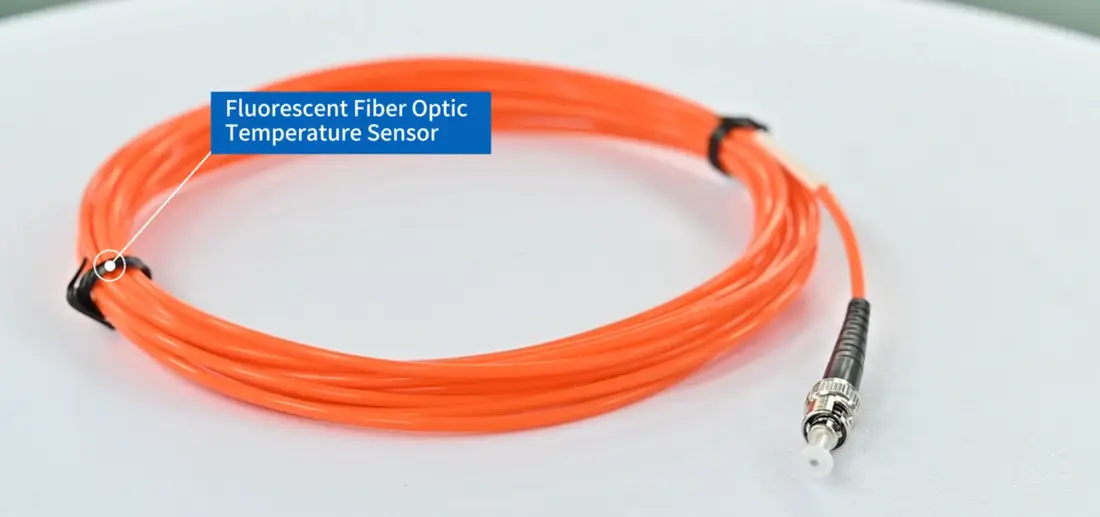
How to Choose a Fiber Optic Thermometer?
How to choose a fiber optic thermometer, including fluorescent temperature sensors, monitoring systems, applications, key features, and INNO solutions
 info@innofj.comContact Engineering
BLOG CATEGORY
Understand sensor range, response time and probe construction before selecting a fiber optic temperature measurement configuration.
Explore focused guidance for engineers comparing fiber optic temperature measurement options and planning a practical application.
How to choose a fiber optic thermometer, including fluorescent temperature sensors, monitoring systems, applications, key features, and INNO solutions
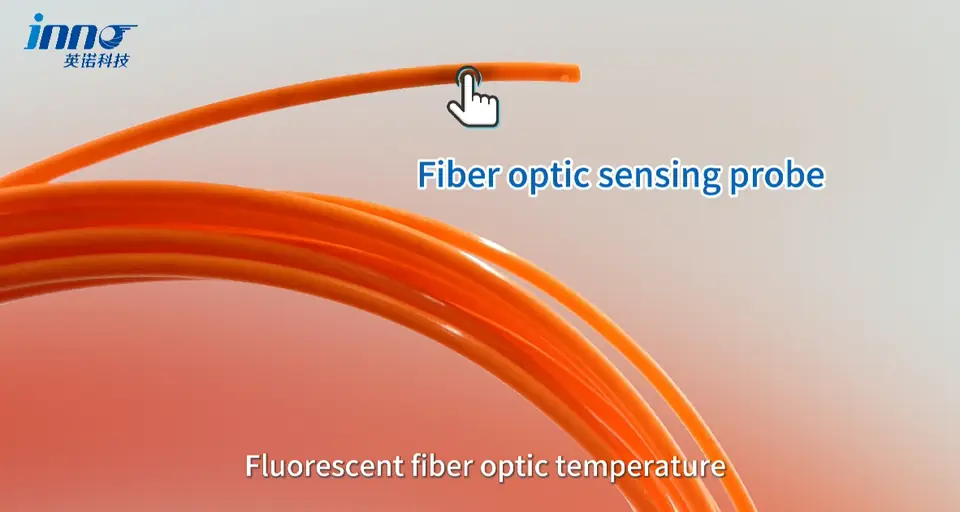
Understand what fiber optic temperature sensor response time measures, why installed response differs from a probe specification, and how thermal contact, medium and instrument updates affect the reading.
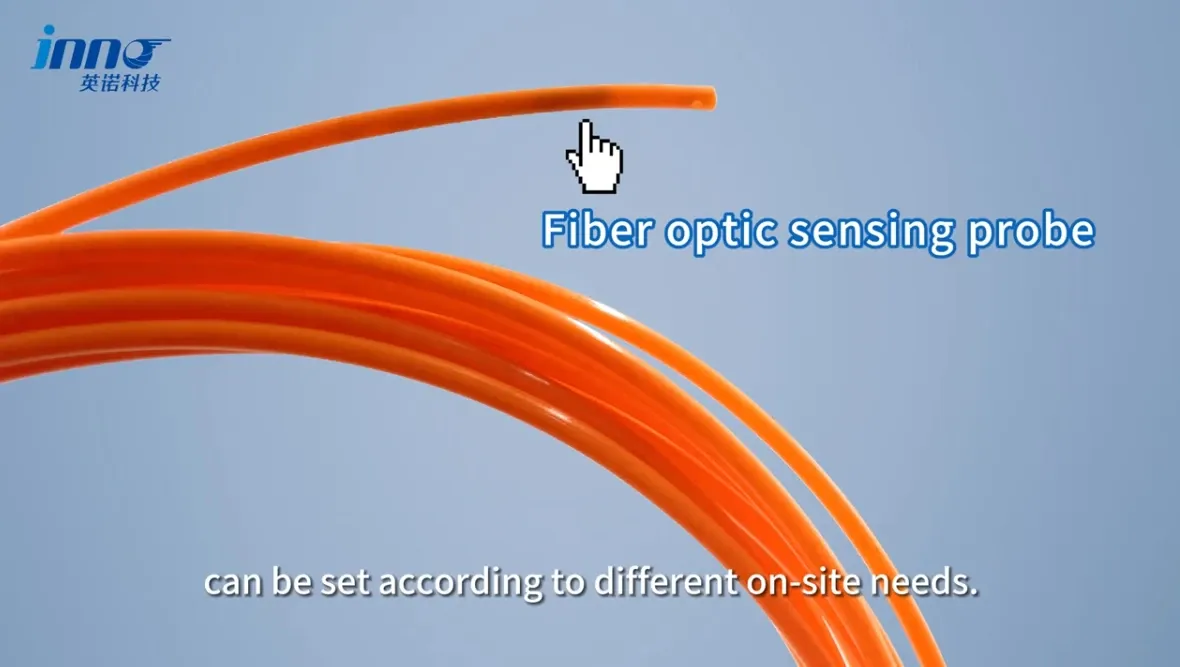
Check seven factors when choosing a high-temperature fiber optic sensor: range, probe construction, fiber exposure, accuracy, response, routing and compatibility.
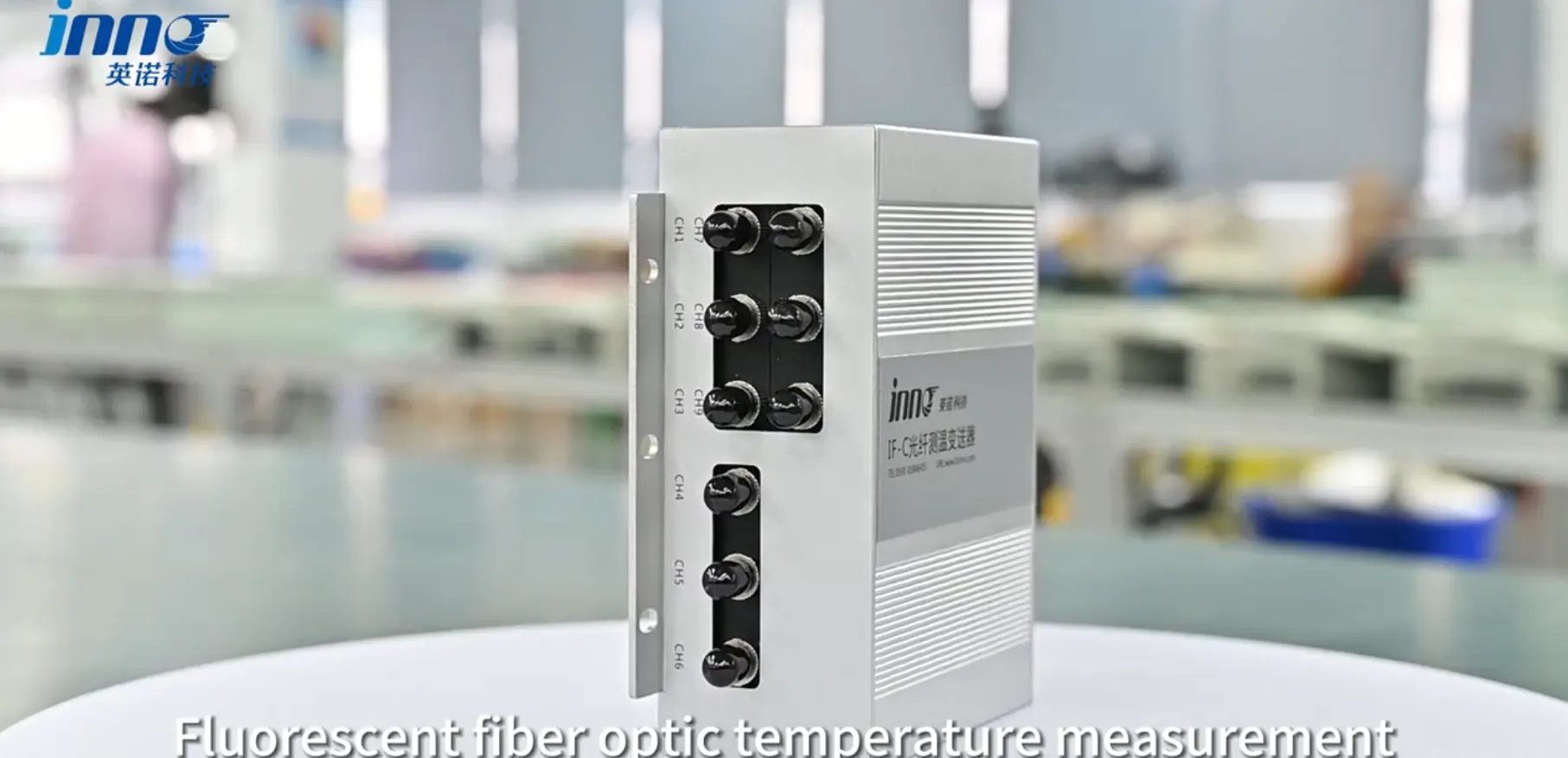
Learn how a fiber optic temperature converter processes optical sensor signals, how it differs from a transmitter or demodulator, and how temperature data is produced.
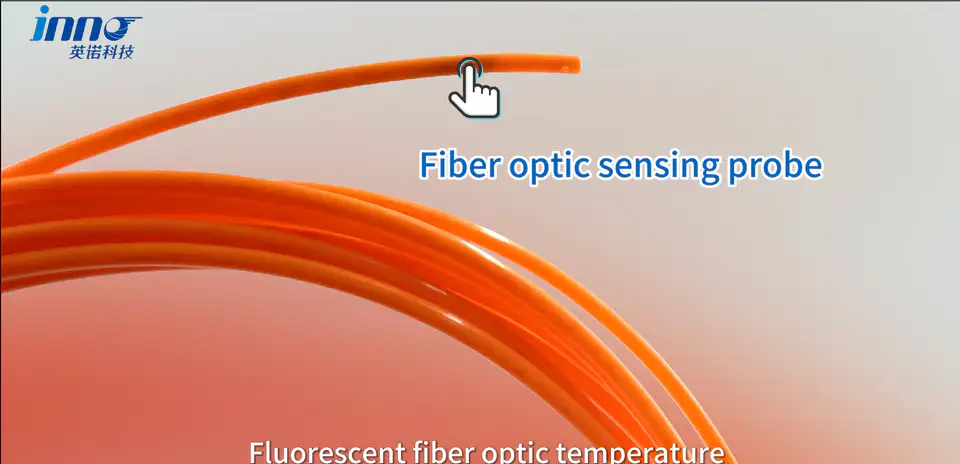
Learn how a point fiber optic temperature sensor uses an optical probe, sensing material and compatible monitoring instrument to measure temperature in electrically demanding environments.
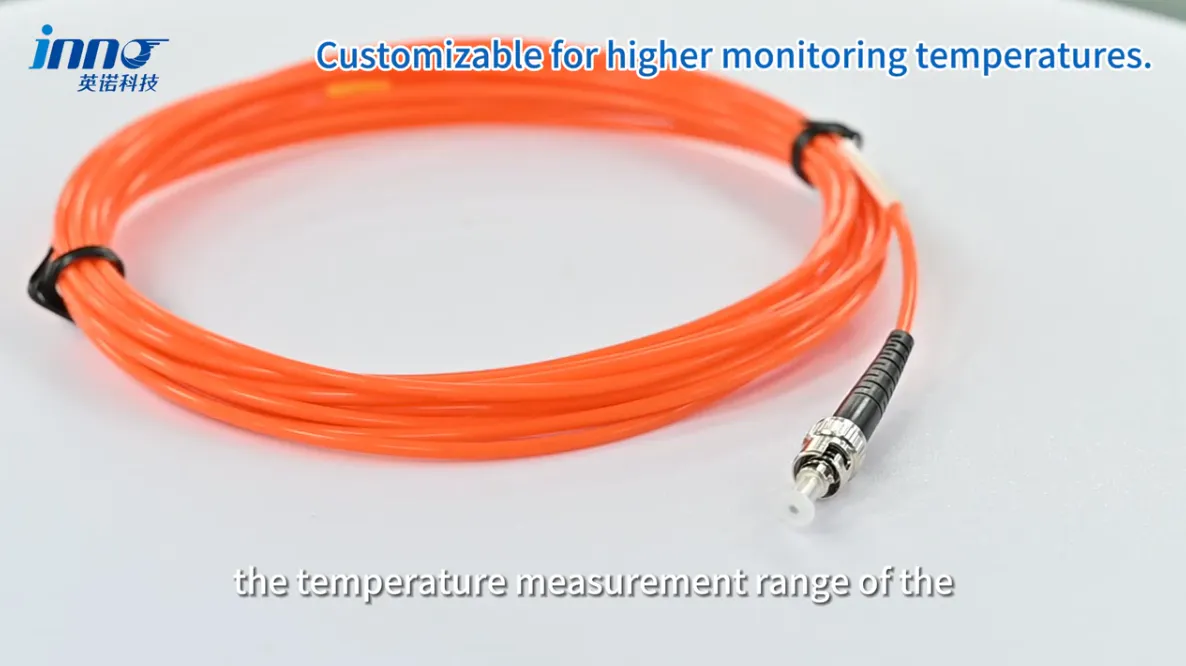
How operating range, excursions, probe materials and the complete optical path shape a fiber optic temperature sensor specification.
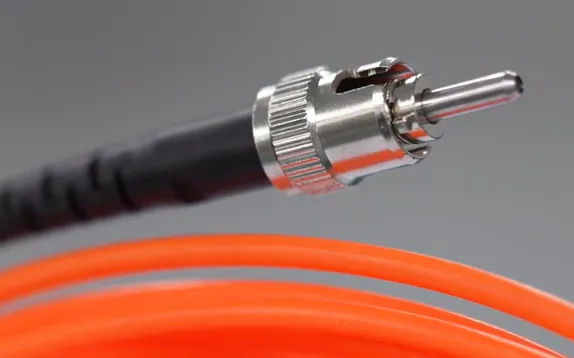
Learn how to count measurement points, plan active and spare channels, and choose a fiber optic temperature monitoring instrument for your equipment.
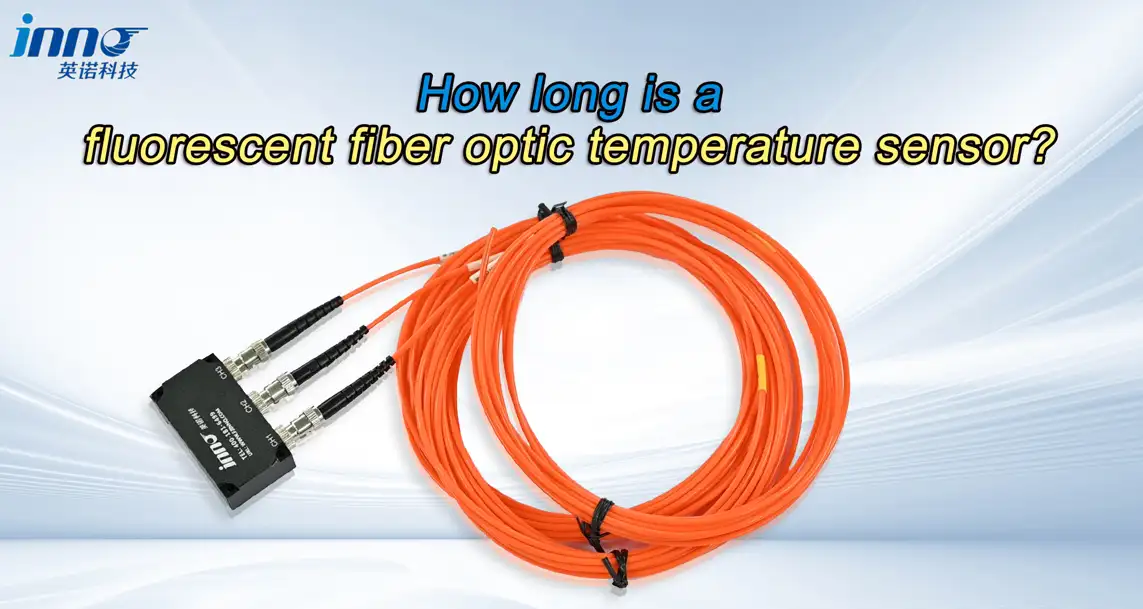
Learn how to calculate the routed fiber length for electrical equipment, transformers, high-voltage tests and industrial temperature monitoring.
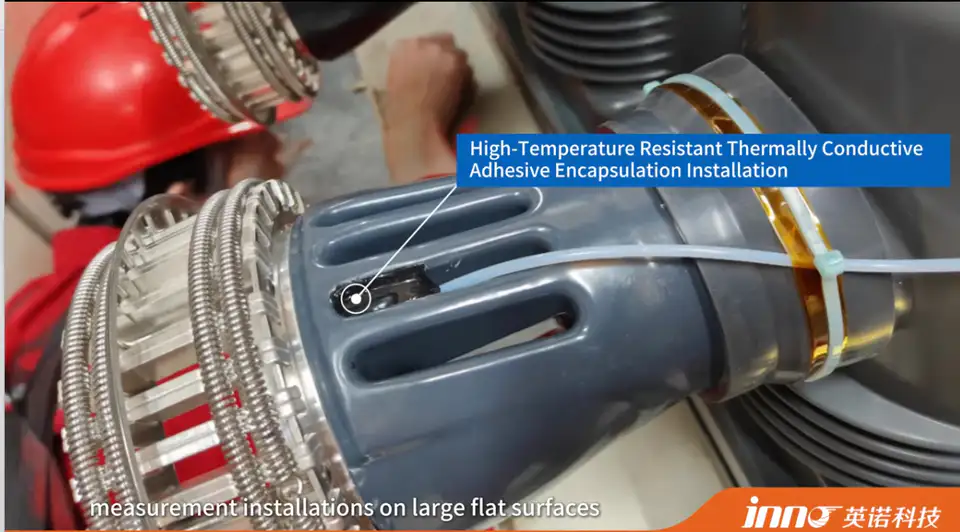
Compare cable ties, high-temperature tape, thermally conductive adhesive, UT / OT connectors and clamps for mounting fiber optic temperature probes.
Tell us your equipment type, measurement points, temperature range and monitoring requirements.